We had come prepared. The sun was glaring, and we had our sunglasses, hats, and sunscreen. So when we crawled into our seats at the semi-finals of the national rugby tournament, we were surprised when the woman next to us asked us if we had brought ponchos. We looked up at the blue sky, bewildered. She laughed.
Though we thought we were late, as always, the game was delayed nearly forty-five minutes. For bees. Yes, bees. Apparently, one of the referees was allergic, so the whole field had to be fumigated. They came with smoke and strange pink stuff that covered the field and unsuspecting fans sitting the wrong side of the wind. With every passing moment, the clouds grew darker.
Finally, the game began, the Natal Sharks (our home team) and the Blue Bulls (from Pretoria). We watched as the players smashed into each other, rolled around on the ground, and threw balls backwards. It looked to me awfully like my brothers playing football in the backyard when they were about ten and twelve. Our neighbor helpfully narrated the events for us in a mildly successful attempt at giving us a proper rugby education.
And then the rain came. Pouring, drenching rain. We watched with envy as our neighbor pulled on her poncho, praying it would end soon. It didn’t. The thick, tropical drops soaked us through to the bone. Fans started fleeing, some taking cover in the entranceway, but most abandoning their team. The wind picked up and we both started shivering. The last twenty minutes of the game felt like hours, but we hung in there until the end. By the time we finally got back to the car, we were so cold we actually had to turn on the heat for the first time.
Two weeks later, the day before Halloween, we joined several friends to go to the finals. This time, we really were prepared, with ponchos, beers, and biltong. All five of us were also dressed in matching bee costumes. Yellow striped shirts with Sharks written in black marker, matching wings, and bobbling, sparkling antennae. We figured the bees had helped the Sharks win the semi-finals, so we should make sure they were represented at the finals. We marched down the beach, buzzing at everyone and stopping for photographs on request, including a TV interview (we didn’t make it on). The rugby crowds were flabbergasted. Halloween isn’t widely celebrated, so that didn’t make sense, and homophobia is fairly strong among the white rugby fans, so they couldn’t understand why full grown men would willingly don fairy wings. But, the ones who had seen the semi-final game and the bee delay got it.
It was a raucous game, full of screaming, howling, flashers (yes, flashers – see picture below), more beer, and lots of large men rolling around on the ground. Us bees must have brought good luck, because the Sharks won the championship! We celebrated with lots of buzzing and bunny chow for dinner.
Absa Stadium, a.k.a. The Shark Bowl
The bee smoke
Wet.
But happy!
Pre-game before the finals.
I would be frightened if I met us on the street.
Wings.
We were excellent buzzers.
The flashers. They run around the stadium, and open their robes.
The sign said, “Mahamba.” The road looked more like a dirt track for logging trucks than a thoroughfare to an international border. The rain had picked up, it was nearly dusk, and the red clay road looked like it could send our car sliding into the forest. Obviously, we abandoned the N2 and turned down the unnamed road.
Ten harrowing kilometers later, we found ourselves at a border post between Swaziland and South Africa. The differences between the countries was immediately apparent; South Africa had multiple customs officers and computerized systems. Swaziland had a lady with a large notebook. We had an uneventful crossing, and headed off into the very dark Swaziland night. When we finally arrived at our farm cottage, we discovered the cause of the darkness: very inconsistent electricity supply. We watched while the electrical transformer blew itself up, sending up blew sparks and then shuddered on again, giving us just enough electricity to cook a late dinner and fall into bed.
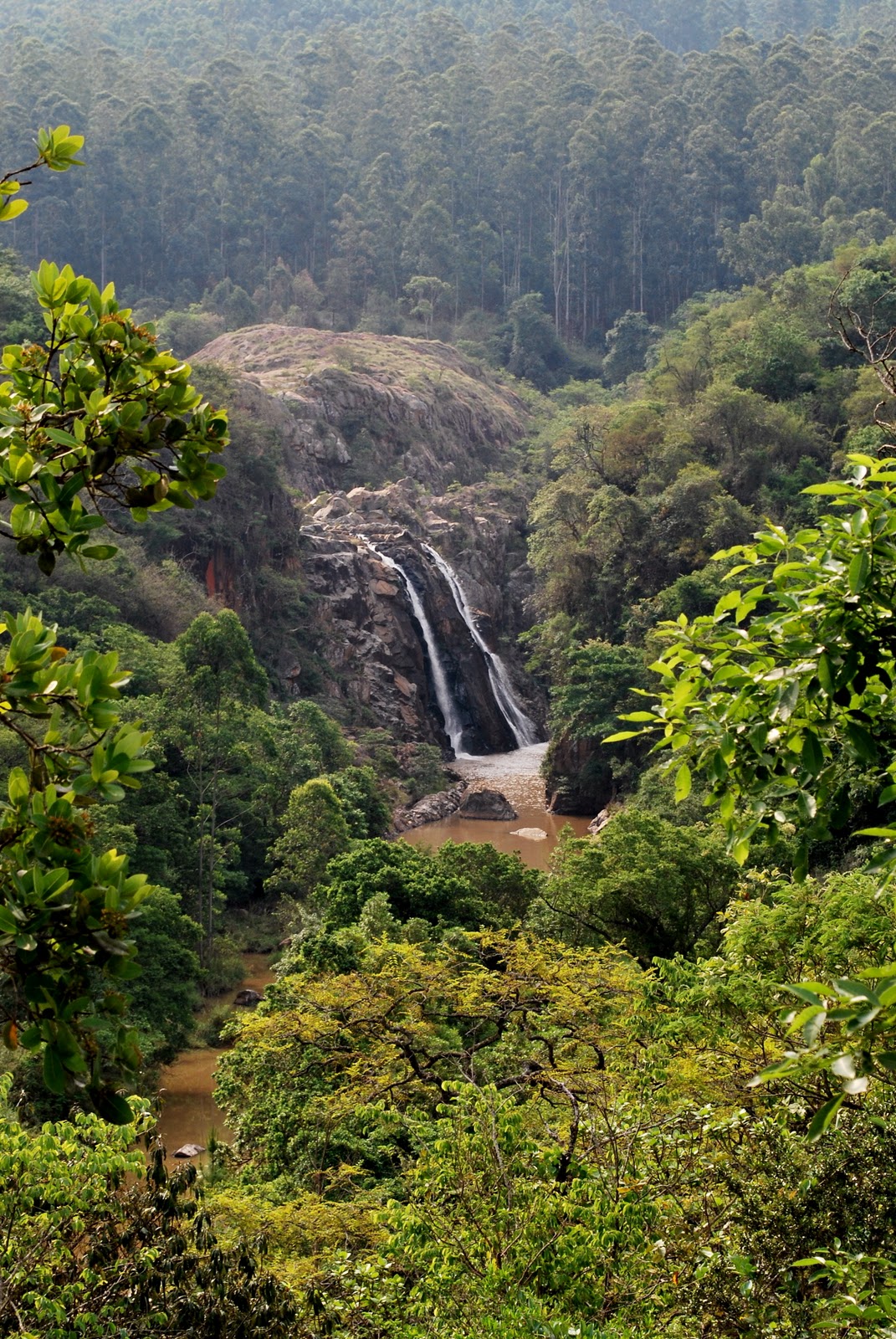
We woke up in time to say hello to the large peacock who had come to see what we were having for breakfast - farm fresh eggs and milk - and goodbye to the man with the machete who had guarded our cottage overnight. Then it was off to see Swaziland. Or more accurately, off to buy Swaziland. We were staying in the Malkerns Valley, which has some lovely craft boutiques, all supporting the local community, especially women and people with AIDS. People were so warm, and the racial tension of South Africa isn’t as formidable a presence in Swaziland, making for a relaxed day. We bought pretty things, ate lunch at the Finnish Consulate, which looked suspiciously like an art gallery and cafe, and hiked to a waterfall.
The next day, the prospect of running through pineapple and sugarcane fields even enticed Natty to join me on my run. Unfortunately, we had been warned to watch out for snakes, so we spent as much time staring at our feet as we did admiring the lush fields. After saying goodbye to our peacock and our guard, it was back to Durban, another stamp added to our passports.
Breakfast at our cottage.
Oh, Paul Simon!
Incredible performance space.
Cycads and sugar cane.
Lunch at Finnish Consulate.
Mind you, this was in the middle of nowhere.
Traditional Swazi huts. Different from the pointy Zulu thatched huts.
Our peacock. He was scary.
We ran here.
The farm.
More farm.
These put our mean Middletown wild turkeys to shame.
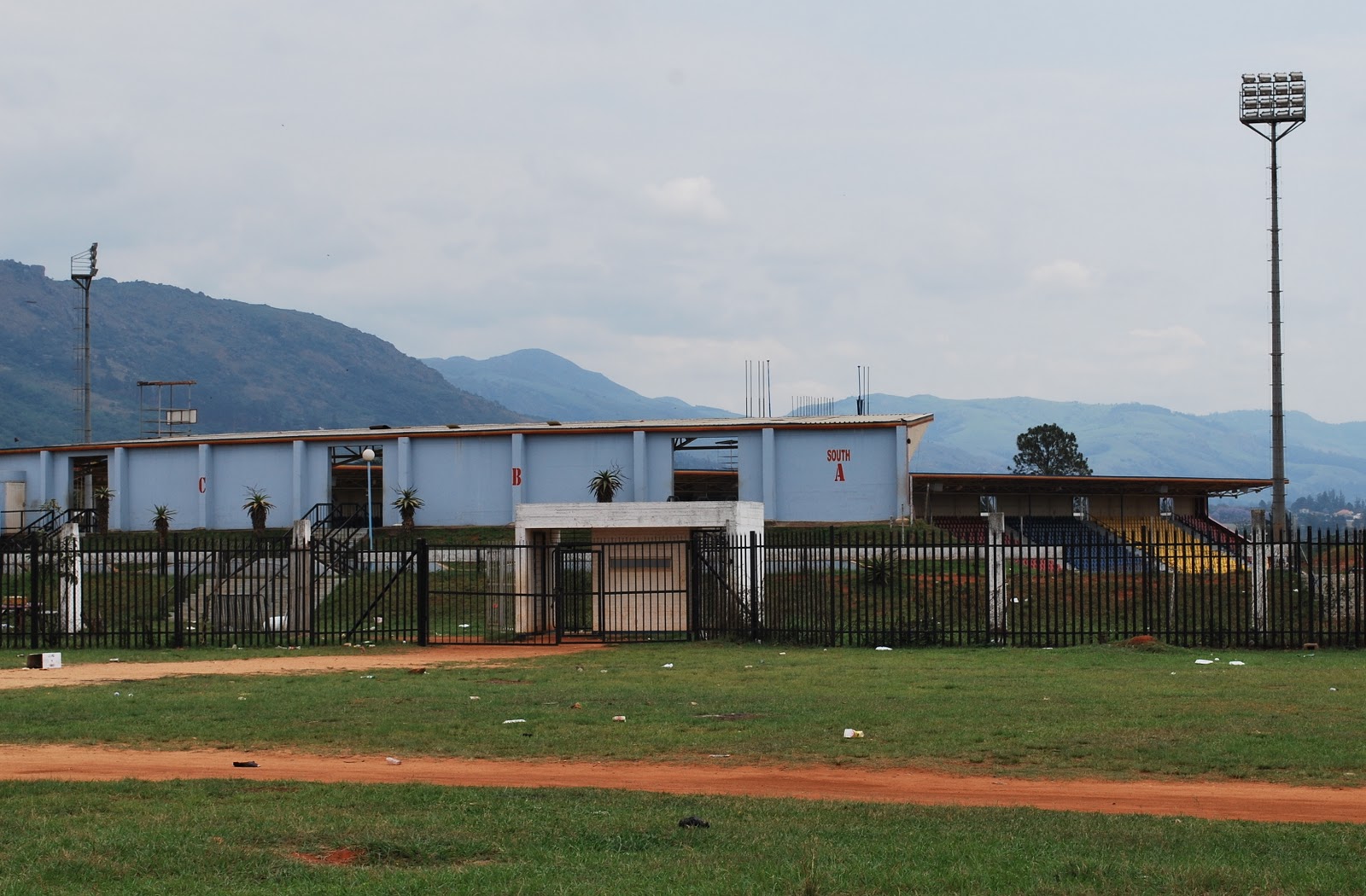
National soccer stadium. Doesn't exactly compare to the World Cup venues here.
At the center of Durban lies a labyrinth of informal markets, peddling everything from pirated DVDs to baboon heads. The Early Morning Market, a sprawling vegetable market, has been in existence there for a century. When the municipality threatened to tear down the entire place and build a mall (South Africans LOVE their malls), the Legal Resources Centre, where Natty is working, stepped in and defended the informal traders. The markets serve a vital role in the life of the city, providing affordable goods, significant cultural wares, and most importantly, jobs. Although in recent years safety in the markets has improved, it is not generally considered a safe area for outsiders. Natty’s work arranged a visit through a new non-profit that supports initiatives for the traders and leads tours of the nine distinct markets. While we were waiting for our guide, we heard a fight breaking out nearby; people starting sprinting towards the action, shouting and egging on the fighters, and we decided we were glad to be part of a tour.
When our guide showed up, so did eight white women in their seventies. We thought we were having a private tour, and groaned at the thought of joining this crowd of nervous-looking tourists. But it turned out they had lived in Durban all their lives. Post-apartheid South Africa is a complex place, and often, the same organizations that serve tourists provide white South Africans with a chance to look over the barriers erected by apartheid.
Our first stop was the Friday Bead Market. It was a buzzing place, with women and children and jewelry sprawled on the ground. We practiced our Zulu and earned some smiles and some perplexed looks. I’m not sure we’re always saying what we think we are saying. We continued through the Herb Market, and through the clothes market. Pinafores, the bright dresses reminiscent of the turn of the twentieth century, are worn by many Zulu women as important cultural markers. It seemed like the market could have clothed the entire female population of the Zulu nation. The highlight of the tour for Natty was the Bovine Head Market. Translated: raw cow heads hanging around, then scooped into a big pot with dumplings and cooked. Delicious. The tour ended with a loop through the traditional medicines market, where we wove through piles of monkey skulls, dead birds, and piles of strange-smelling plants. No cures I wanted to try!
As we left, it was difficult to imagine the vibrant markets being replaced with another undistinguished shopping center. We’re gaining confidence in the city, and we plan to go back to visit on our own soon.